

Designing for Sound: Why Acoustics Matter in Restaurants and Hotels
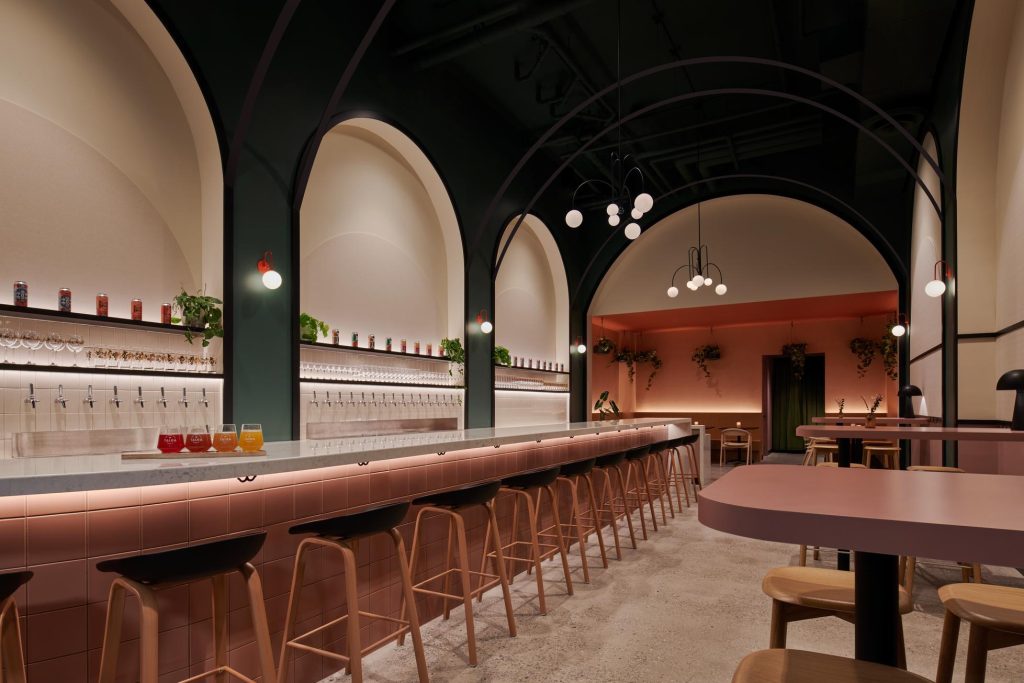
In the hospitality industry, success hinges on creating memorable experiences. Beautiful interiors, attentive service, and delightful cuisine are essential—but one critical element is often overlooked: sound. Poor acoustic design can ruin a guest’s experience in a restaurant or hotel. Loud, echoey dining areas make conversation a struggle. Hotel rooms that let in hallway chatter or traffic noise lead to sleepless nights. Even stylish bars can become unbearable if the soundscape is chaotic.
For hospitality decision-makers and their consultants, the challenge is clear: How can we create acoustically pleasant environments without compromising on aesthetics?
But let’s start from the basics.
Why does acoustics matter in hospitality spaces?
1. Sound impacts guest comfort and perception
When guests walk into a restaurant or hotel, they quickly form impressions—often unconsciously—based on what they see, smell, and hear. Acoustics play a major role in setting the tone for the experience. In a restaurant, diners want to enjoy conversation without shouting or straining to hear. Excessive noise could make a meal feel rushed and stressful. Hotel lobbies and bars need to strike a sound balance, because they are social spaces. If they’re too noisy, they can become disorienting and overwhelming. If they’re too quiet, they may lack energy and atmosphere. But when it comes to hotel rooms, guests expect peace and privacy. Hearing hallway footsteps, elevator dings, or street traffic erodes the feeling of comfort and security. Bad acoustics make even the most beautifully designed space feel uncomfortable and unwelcoming, leading to negative reviews, shorter stays, and fewer return visits.
2. Noise affects staff performance
Employees are on the front lines of guest interaction. In overly noisy environments, they may struggle to perform their jobs properly and they may have difficulty communicating with customers and each other. Poor acoustics could reduce efficiency, increase fatigue, and lead to more mistakes—all of which affect the guest experience and the bottom line.
3. Bad acoustics is a financial issue, not just a comfort issue
Bad acoustics have a measurable impact on business performance:
● Restaurants with high noise levels tend to have shorter table times, but this doesn’t necessarily translate into higher revenue. Diners may choose not to return.
● Hotels with poor sound problems face bad reviews, increased complaints, and a higher churn rate.
● Employee turnover rises in uncomfortable work environments, leading to higher recruitment and training costs.
Fixing acoustics isn’t just about comfort—it’s about creating a sustainable, profitable hospitality business.
Common acoustic problems in restaurants and hotels
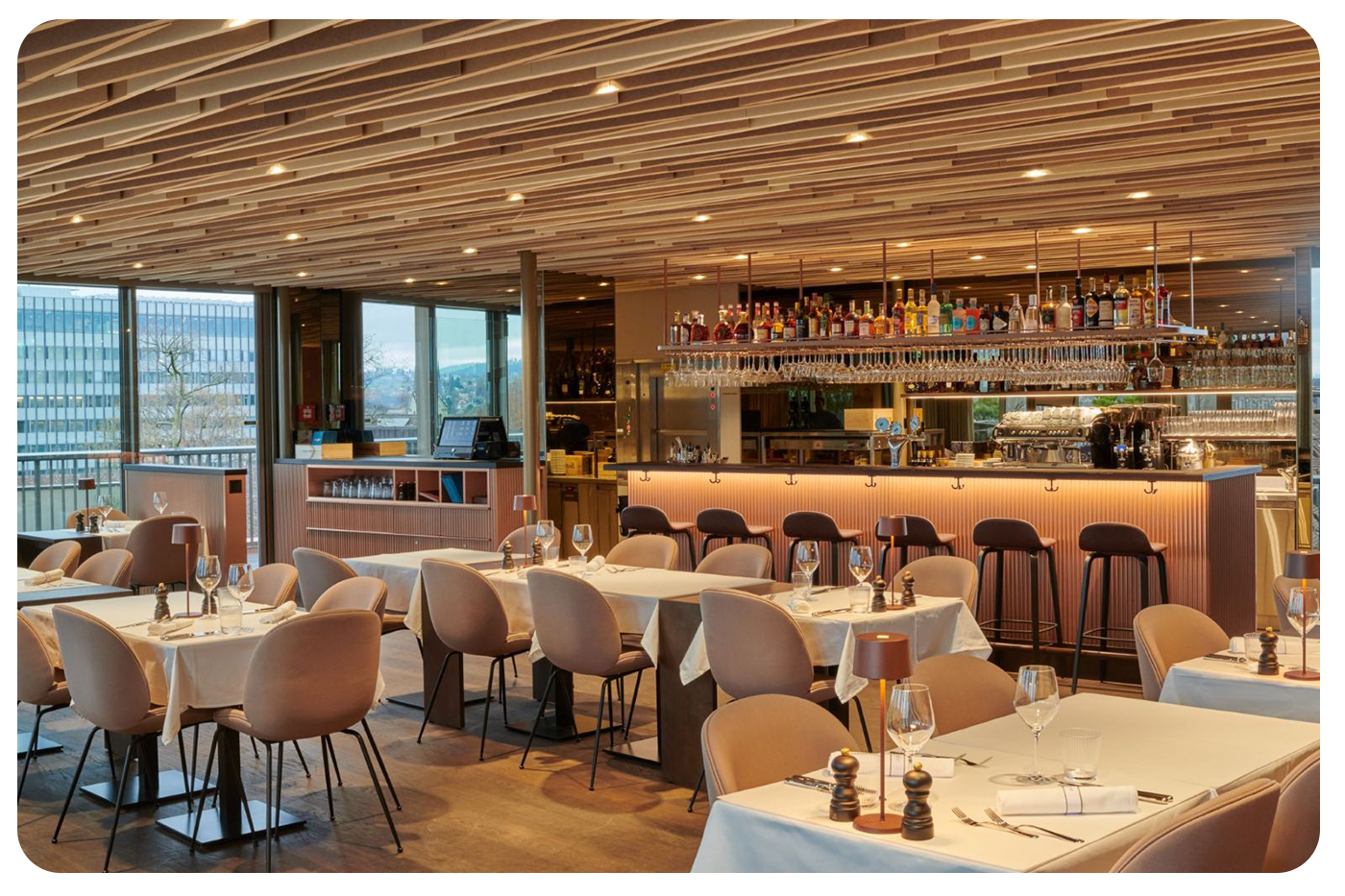
There are usually three reasons why hotels and restaurants have acoustic problems. First and foremost, it’s reverberation. Hard surfaces like stone, glass, concrete, and wood are very popular in modern hospitality design. However, these materials reflect sound, creating long reverberation times. Conversations bounce endlessly, resulting in a loud, unintelligible blur of noise. Flanking noise is another important problem in hotel rooms. Noise often doesn’t pass through walls directly but “flanks” through gaps, ceilings, or under doors. This makes it harder to control and even more intrusive. Last but not least, sound can bleed between zones. In open-plan lobbies or restaurants with bars, sound from one area easily spills into another. That vibrant music from the bar might ruin the calm atmosphere of a nearby dining area or check-in zone.
Fixing Acoustics Without Sacrificing Aesthetics
The good news is that acoustic treatment doesn’t mean ugly foam panels or cluttered ceilings. Today’s products and design strategies allow for both acoustic performance and high-end visual impact.
1. Architectural Integration from the Start
Whenever possible, bring acoustic planning into the design process early. This ensures that structural decisions like ceiling heights, material choices, and layout, support rather than fight your acoustic goals.
2. Use Soft Materials Strategically
Adding soft, porous materials helps absorb sound energy and reduce reverberation. These materials can be both functional and beautiful, such as acoustic ceiling baffles in dining areas, felt wall panels with custom patterns or branding, upholstered furniture, curtains, and rugs to soften spaces and absorb noise, carpets in hotel corridors and rooms to reduce footfall noise. These solutions blend naturally with contemporary interiors and can be tailored to your brand identity.
3. Decorative Acoustic Panels
Acoustic panels nowadays may be aesthetically beautiful or even support and amplify the architects vision. Designers have a lot of choices that can blend with their vision, like fabric-wrapped panels in custom colors and patterns or wood slat systems with sound-absorbing backing. These are especially useful in high-design environments like boutique hotels or fine dining venues, where visual coherence is key.
4. Ceiling Design and Materials
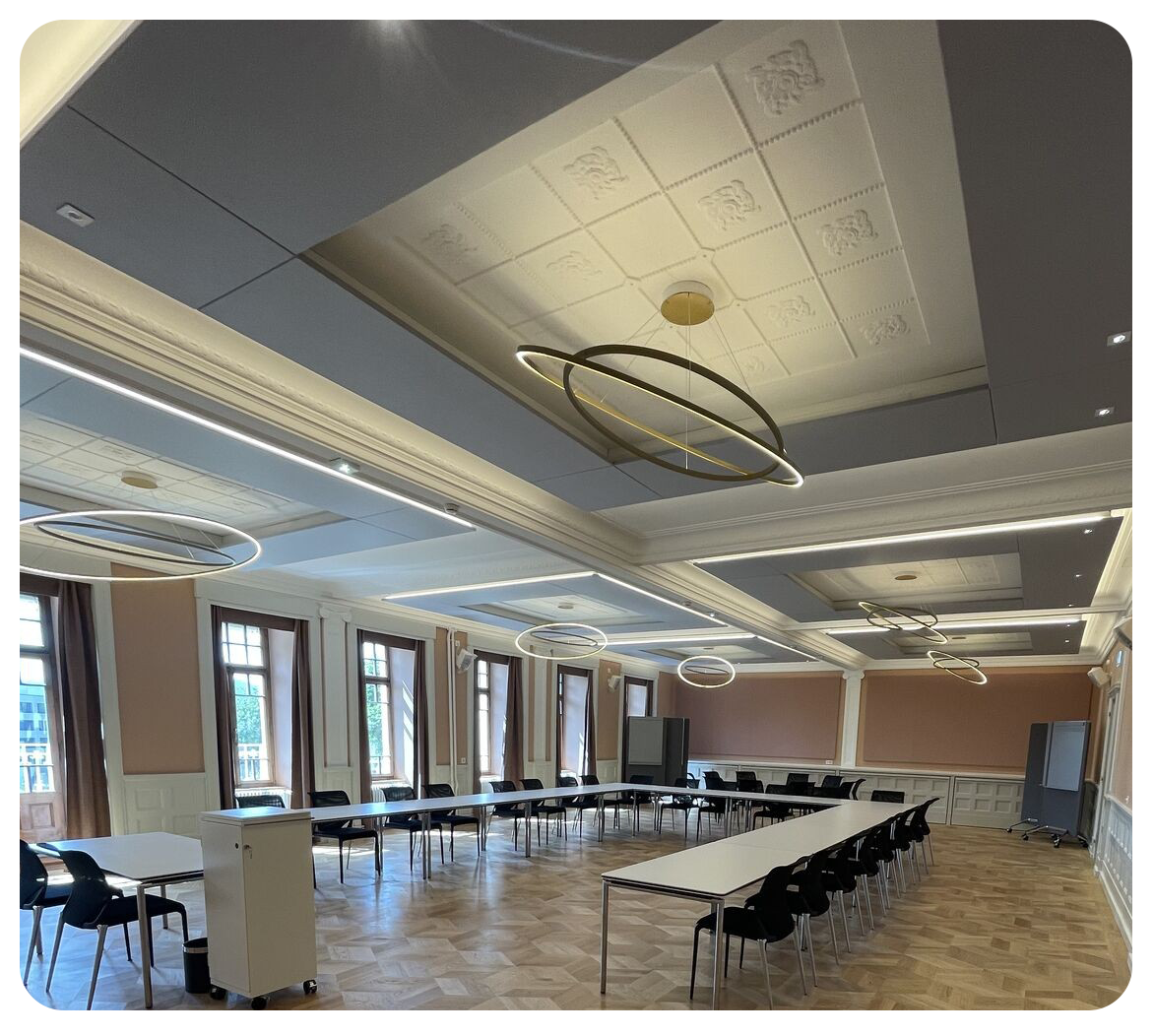
Since ceilings are often the largest uninterrupted surface, they’re prime real estate for acoustic intervention. You could use acoustic ceiling tiles, especially in back-of-house areas, or add wood slats or baffles in the lobby or restaurant for an upscale look with performance benefits. You could consider consider canopy-style installations in open atriums or event spaces. Acoustic lighting fixtures, like pendant lights that also dampen sound could help greatly to mitigate sounds.
Measurement and Metrics in Acoustics: Know What to Aim
Working with acoustic consultants can help you measure and meet targets like:
● Reverberation Time (RT60): Ideal is 0.6 to 1.0 seconds for restaurants, lower in hotel rooms.
● Sound Transmission Class (STC): For hotel walls, STC ratings of 55+ are recommended for privacy.
● Noise Reduction Coefficient (NRC): Indicates how well a material absorbs sound. Higher NRC = better performance.
Understanding these metrics helps you make informed material and design choices.
Acoustics in hospitality spaces are no longer a niche concern. They’re a competitive differentiator. The best hospitality venues today are not just visually stunning; they’re comfortable, calming, and acoustically tuned to human behavior. Designers and owners who embrace acoustics create spaces people linger in, return to, and recommend. Even if it is not possible to solve all acoustics problems in a hospitality space, there are tools available that can improve acoustics without sacrificing on design.
By making acoustics part of your design language, you elevate both form and function. Because souund matters. And in hospitality, good sound design is good business.
Need help improving acoustics in your hospitality? Start your own project