

The Soundtrack of Teamwork: Finding Balance Between Collaboration and Quiet

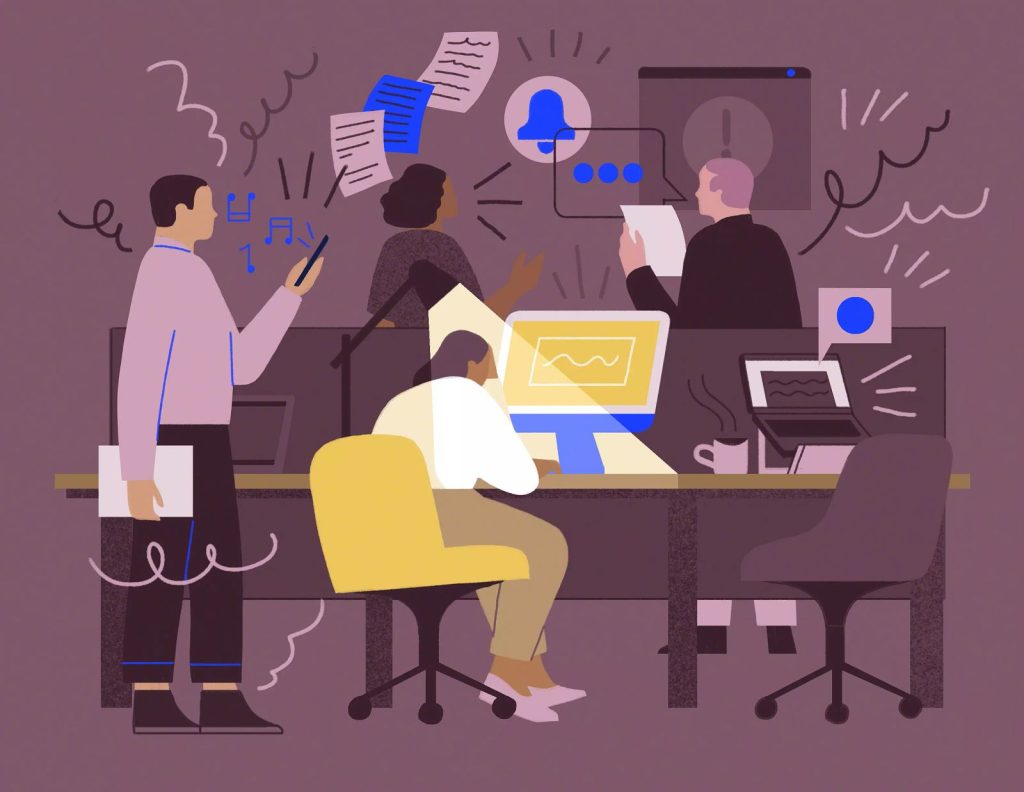
Imagine this: it’s Tuesday morning, the office is buzzing with energy. Someone’s brainstorming in the open area, a sales call echoes across the room, and the coffee machine hums like a steady backing track. You slip on your headphones to focus — but the chatter still seeps through. By midday, you’ve reread the same email three times and can’t remember what you were supposed to do next.
This scene feels familiar to many employees today. Open-plan offices and hybrid work models were designed to encourage collaboration and connection. Yet, somewhere along the way, the sound of teamwork became a constant background noise. Finding the right balance between interaction and focus is now one of the most pressing—and often overlooked —challenges of modern work.
The Rise of the Collaborative Soundscape
When open offices became the norm in the early 2000s, they were celebrated for breaking down walls, both literally and figuratively. Collaboration was easier, communication faster, and hierarchies flatter. But as the novelty faded, a new reality emerged: noise.
Studies have shown that in open-plan environments, employees experience a 62% increase in interruptions compared to those in private offices. The reason is simple — collaboration generates sound. Conversations, phone calls, typing, laughter — all of these are vital signs of an active team, but together they form a complex acoustic ecosystem that often works against productivity.
In hybrid workplaces, the soundscape becomes even more unpredictable. Some days the office is half-empty and quiet; other days, it’s full and lively. This inconsistency makes it difficult for employees to adapt, as their concentration needs shift depending on the acoustic “mood” of the day.
Why Noise Feels So Draining
To understand why workplace noise feels so exhausting, it helps to look at how our brains process sound.
Unlike vision, hearing is a constant, involuntary sense. You can close your eyes, but not your ears. Even when we’re not consciously listening, the brain continuously monitors sound for signs of danger or relevance. That’s an evolutionary reflex: a raised voice, a ringing phone, or footsteps behind you can all trigger subtle stress responses.
Over time, this constant vigilance leads to mental fatigue. Research from the University of California, Irvine, shows that after a single interruption, it can take up to 23 minutes to regain full concentration. Now imagine dozens of micro-interruptions throughout the day — a colleague laughing nearby, someone tapping their keyboard loudly, another colleague asking a quick question “just for a second.”
The result isn’t just lost time; it’s a cumulative sense of strain. You might leave the office feeling unusually tired, even though you’ve spent most of the day sitting. That’s the cost of cognitive overload — the brain’s silent struggle to filter irrelevant sound.
The Dual Nature of Sound: Connection and Concentration
The challenge isn’t that workplaces are “too noisy.” It’s that they often fail to differentiate between spaces for collaboration and spaces for focus. Sound itself isn’t the enemy — in fact, a lively office can foster creativity, social bonding, and motivation. The problem arises when all types of work happen in the same acoustic environment.
Think of sound like lighting. Just as we wouldn’t use harsh fluorescent light in a relaxation area or dim lighting in a meeting room, we shouldn’t expect one acoustic level to serve every purpose.
Different tasks — from brainstorming to budgeting — demand different auditory conditions.
- A moderate level of background sound can enhance creative thinking and idea generation.
-
Spontaneous conversations build team cohesion and foster innovation.
- Shared spaces promote accessibility and speed of communication.
For concentration:
- Complex or analytical work requires quiet, predictable environments.
- Excessive or intermittent noise disrupts memory, problem-solving, and accuracy.
- Prolonged exposure to unpredictable sound raises stress hormones and fatigue.
The art lies in designing workplaces that support both — spaces where people can come together to share ideas, then step back into quiet zones to focus.
Acoustic Zoning: Designing Workspaces for Human Needs
One of the most effective ways to manage this balance is through acoustic zoning — organizing an office into distinct areas based on their sound intensity and purpose.
A well-designed acoustic plan doesn’t silence collaboration; it orchestrates it. Each “zone” has its own sound profile:
- Focus Zones
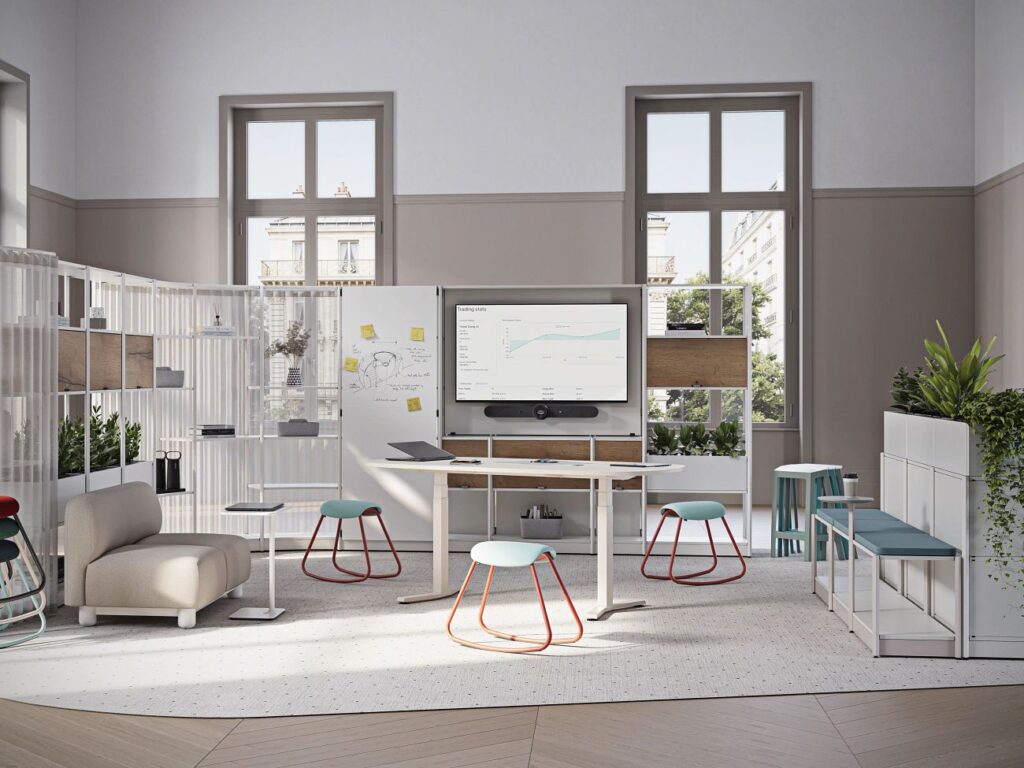
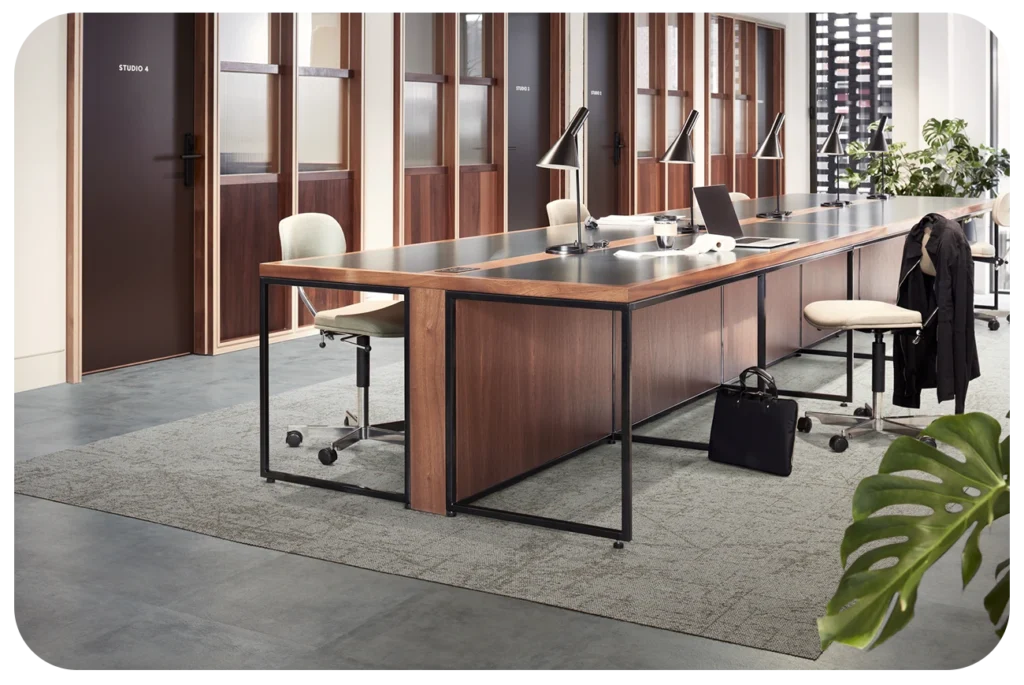
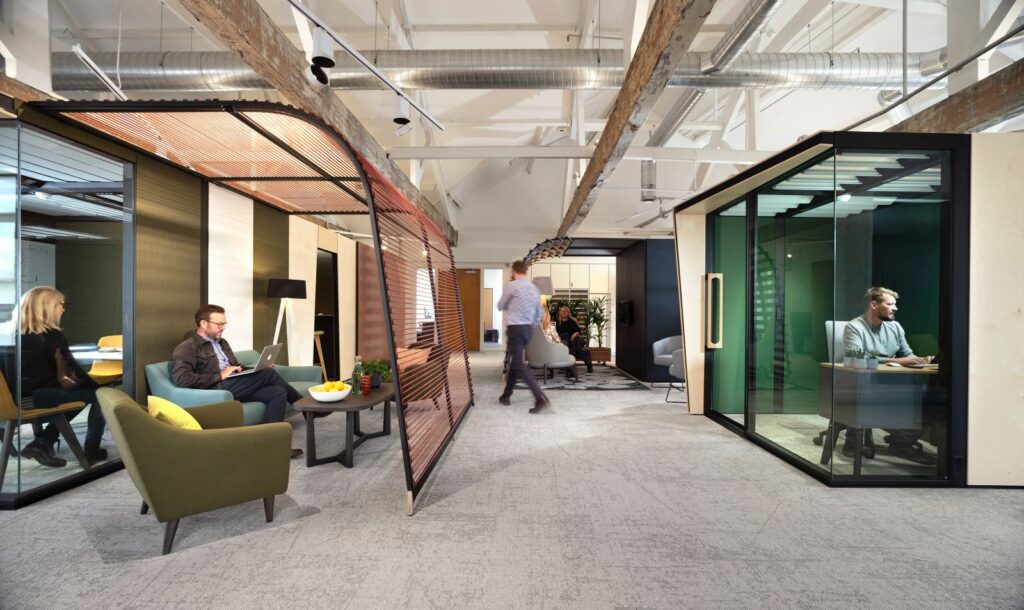
Areas designed for deep work — quiet, minimally reverberant, with sound-absorbing materials on walls, ceilings, and floors. These spaces signal “do not disturb” without the need for physical doors. - Collaboration Zones<br” />Louder, more dynamic spaces for team discussions and brainstorming. Here, soft materials, partitions, and ceiling baffles can control reverberation without muting energy.
- Social and Transition Zones
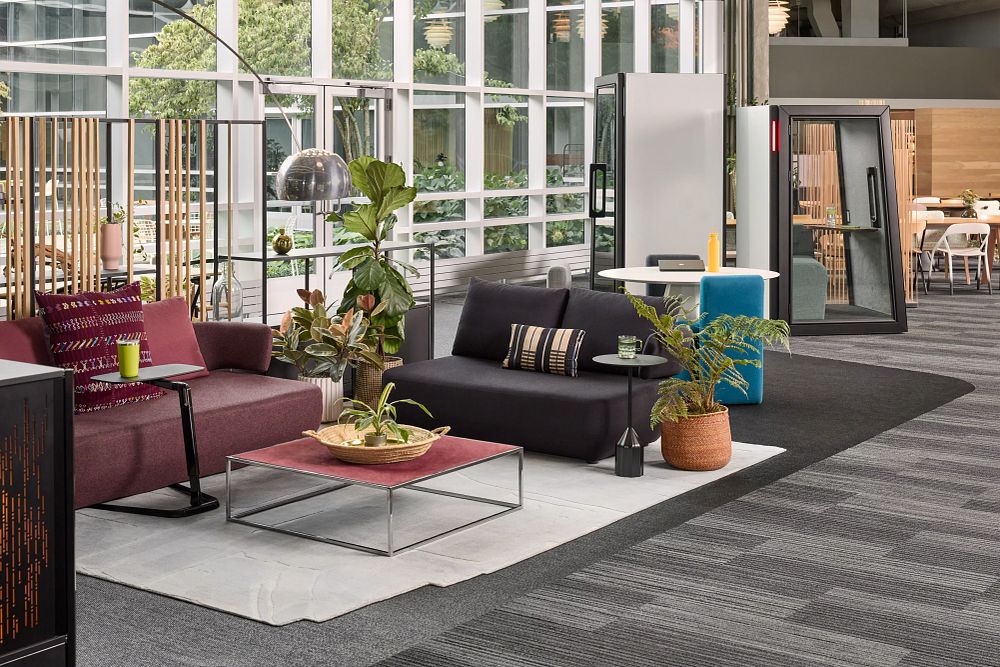
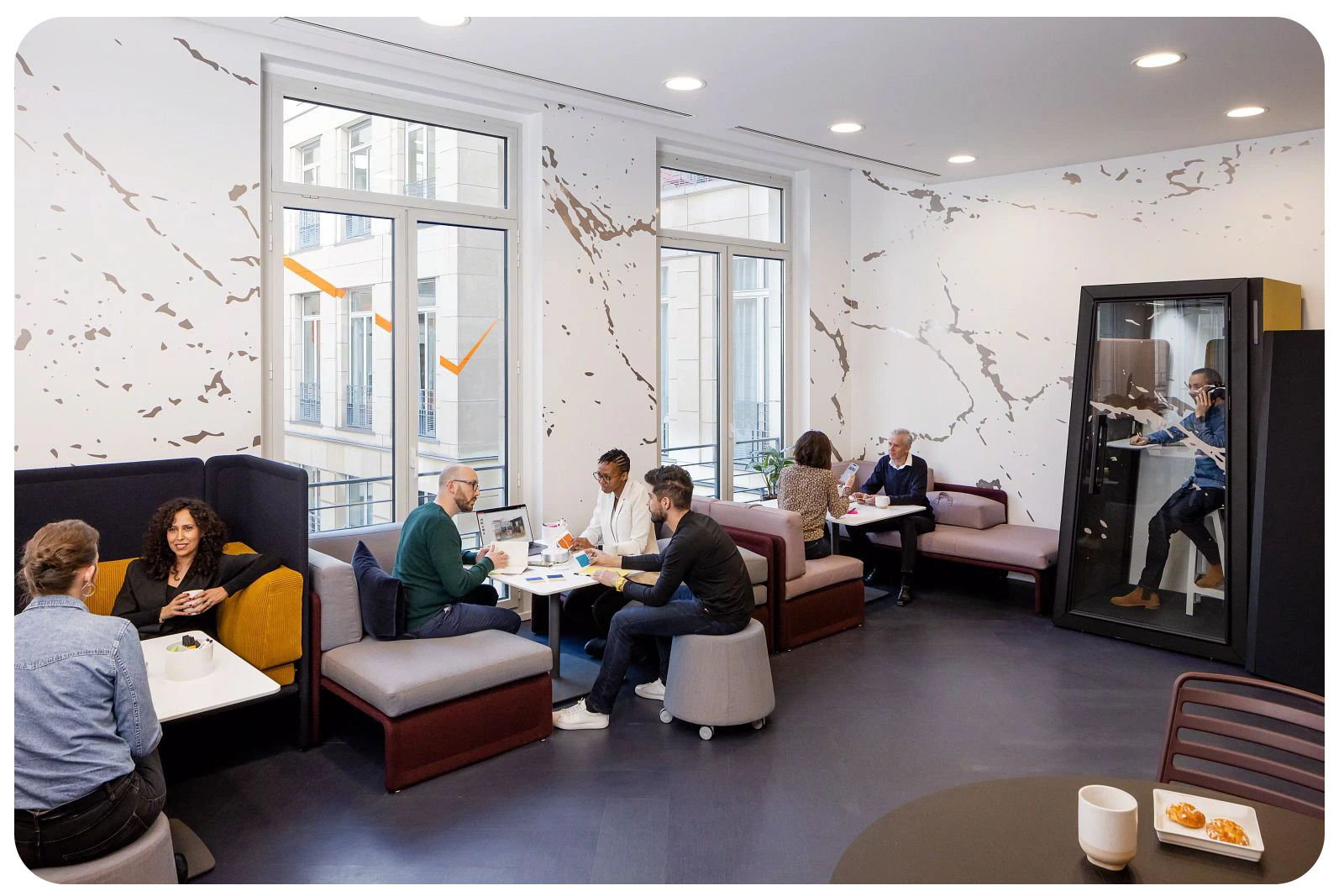
Cafeterias, lounges, or corridors act as acoustic buffers between quiet and active areas. They help contain sound movement and reduce cross-zone interference. - Privacy Pods and Phone Booths
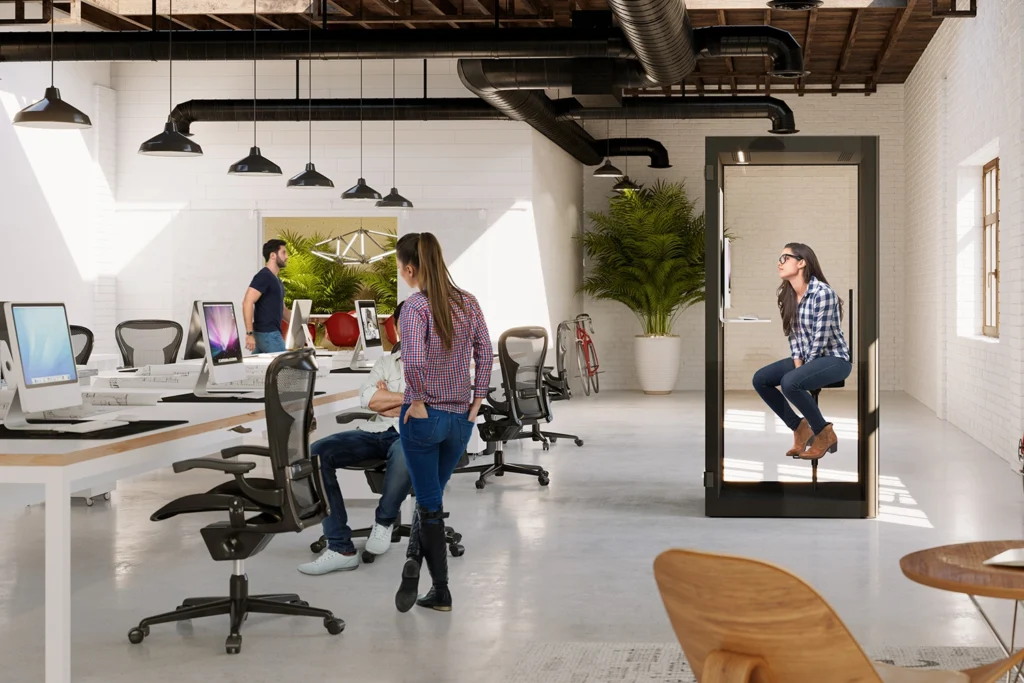
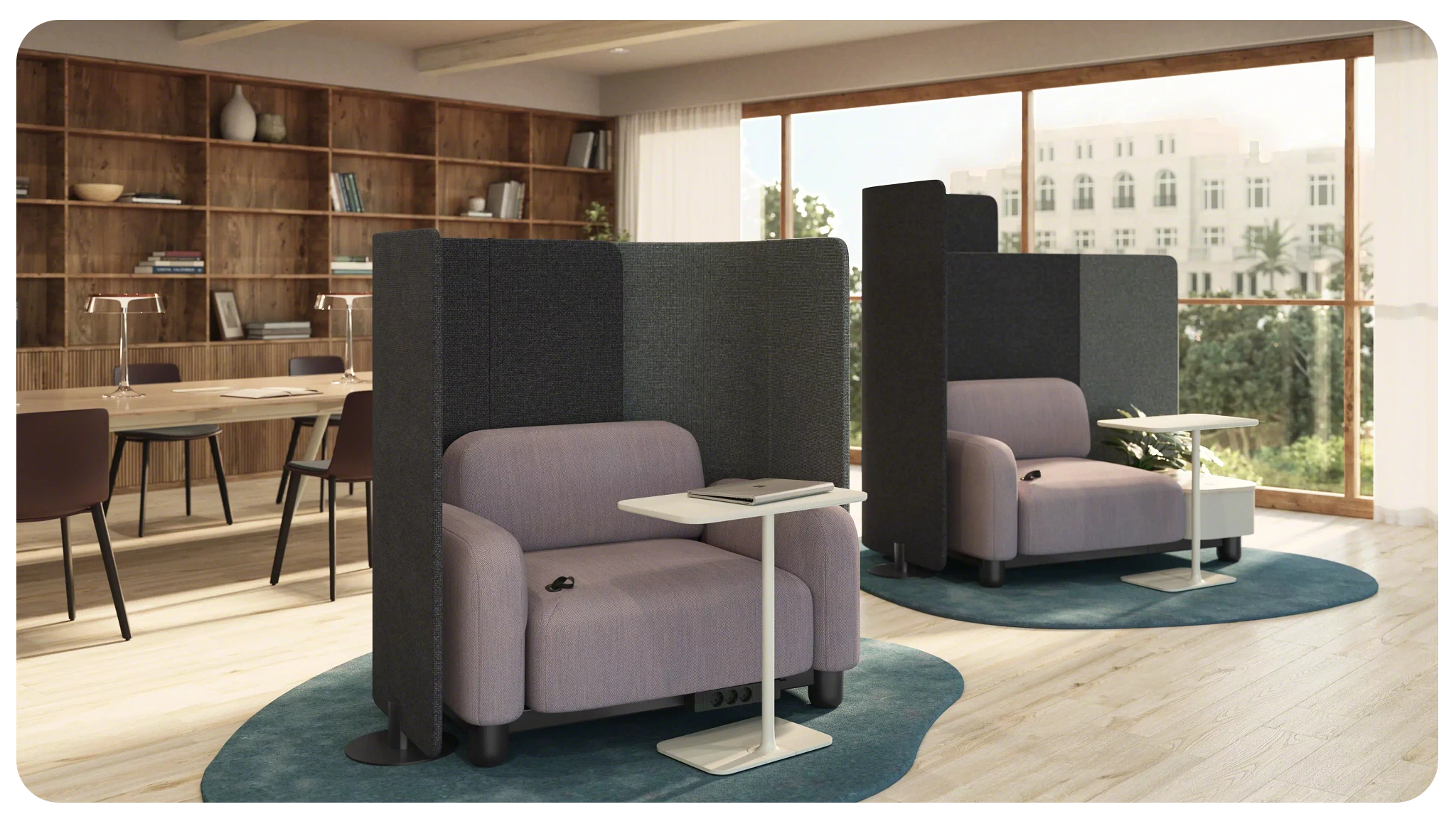
Small, enclosed units that allow for private calls or online meetings — essential in hybrid work environments. These reduce overall noise spillover while maintaining accessibility.
This layered approach reflects how people actually work: shifting between collaboration, focus, and rest. When designed thoughtfully, the workplace feels both connected and calm — an environment that supports natural rhythms rather than fighting against them.
The Role of Behavior and Culture
Even the best acoustic design can fall short if workplace behavior doesn’t align with it. Sound management isn’t only an architectural issue; it’s also a matter of shared etiquette and awareness.
Encouraging a culture of acoustic respect can make a noticeable difference:
- Remind teams to match their activity to the right zone — brainstorming in a meeting room rather than in the open area.
- Encourage the use of headsets or designated booths for online meetings.
- Establish a few simple norms, such as using “quiet signals” or short break times to reduce overlapping conversations.
When employees understand how sound affects everyone’s focus and well-being, they naturally become more considerate. Education and empathy are as powerful as insulation panels.
The Psychological Impact of Quiet
Quiet isn’t just the absence of noise; it’s the presence of mental space. In acoustically balanced offices, employees report higher satisfaction, lower stress, and stronger engagement.
They communicate more intentionally, listen more carefully, and recover faster from intense tasks.
Moreover, quiet environments encourage moments of reflection — a key ingredient for creativity. Some of the best ideas often emerge not during loud brainstorming sessions, but in the calm that follows. A thoughtfully designed soundscape, therefore, nurtures both sides of the creative process: connection and contemplation.
Rethinking Collaboration Through Sound
As hybrid and flexible work continue to evolve, the acoustic experience of the office will define how employees perceive its value. After all, if people can focus better at home, what will bring them back to the office?
The answer lies in designing spaces that feel better to be in — where communication flows easily, but concentration isn’t sacrificed.
Balancing collaboration and quiet isn’t a luxury. It’s a necessity for healthy, effective teamwork.
Sound, when managed intelligently, becomes not a distraction but a tool — the rhythm that guides how we work, think, and connect.
So, the next time your office hums with activity, take a moment to listen. Does it sound like chaos, or does it sound like collaboration? The difference lies not in volume, but in design — and in the collective understanding that every great team deserves both a voice and a little silence.